Catholic Education

The second of five pastoral themes, "Do Justice", calls us to action. This is not a passive stance. It is one that calls us to become more aware of ourselves, the impact we can have on the world around us and to actively become the hands and feet of Christ in a world where injustice and suffering not only exist but threaten and violate the inherent dignity of each person who is created in the image and likeness of God. Catholic Social Teaching calls us to walk with both feet of Social Justice. Charity and Justice are connected but serve different roles in addressing inequity and human suffering.
We step with the Charity foot when we work to meet the most immediate short-term needs of people through acts of kindness, compassion and assistance locally and globally. Examples include engaging in direct service or providing food, clothing, shelter, or monetary assistance to help those in need. It is an incredible act of love to give of yourself to alleviate another's suffering and meet their immediate needs. However, it is also important to note that simply giving does not address the root causes of suffering and greed. Focusing on Charity alone makes us feel good; however, we must always be aware of the artificial construct of "othering" and how distancing ourselves from those that struggle can feed into a saviourism mentality that leads us away from the true goals of Catholic Social Teaching. We stand in community and solidarity.
We step with the Justice foot when we work to address the root causes of problems facing our communities by advocating for just public policies and helping to change the social structures that contribute to suffering and injustice at home and around the world. Justice demands both personal responsibility and collective action to disrupt systems that disadvantage some people over others. Justice asks why food insecurity exists and advocates for laws and policies that ensure equitable distribution of resources for those in need. Justice is often heavy and hard work as it takes time and effort to dismantle systems that benefit those who hold the power and privilege to maintain them.
To truly Do Justice in the ALCDSB, we must prioritize education about local and global social issues in a way that unites us and mobilizes us to protect the inherent dignity of every person without judgement. Doing justice to the earth and to creation is what the Lord requires of us. We must look outside our own lived experiences and be open to learning and unlearning perspectives that are different than our own. We must stand in solidarity to dismantle systems of oppression especially when it is difficult, uncomfortable and inconvenient. Following in the footsteps of Christ does not mean a path of comfort. It means we are called to be the great disruptors of inequity and ambassadors of non- judgmental compassion, mercy and love.
How will we Do Justice as a faith community this year? How will we move past Charity alone to embrace true Justice? How will we resist complacency to answer the call of Catholic Social Teaching in word and action? How will we stand in solidarity and support each other when the load is heavy?

Logo:
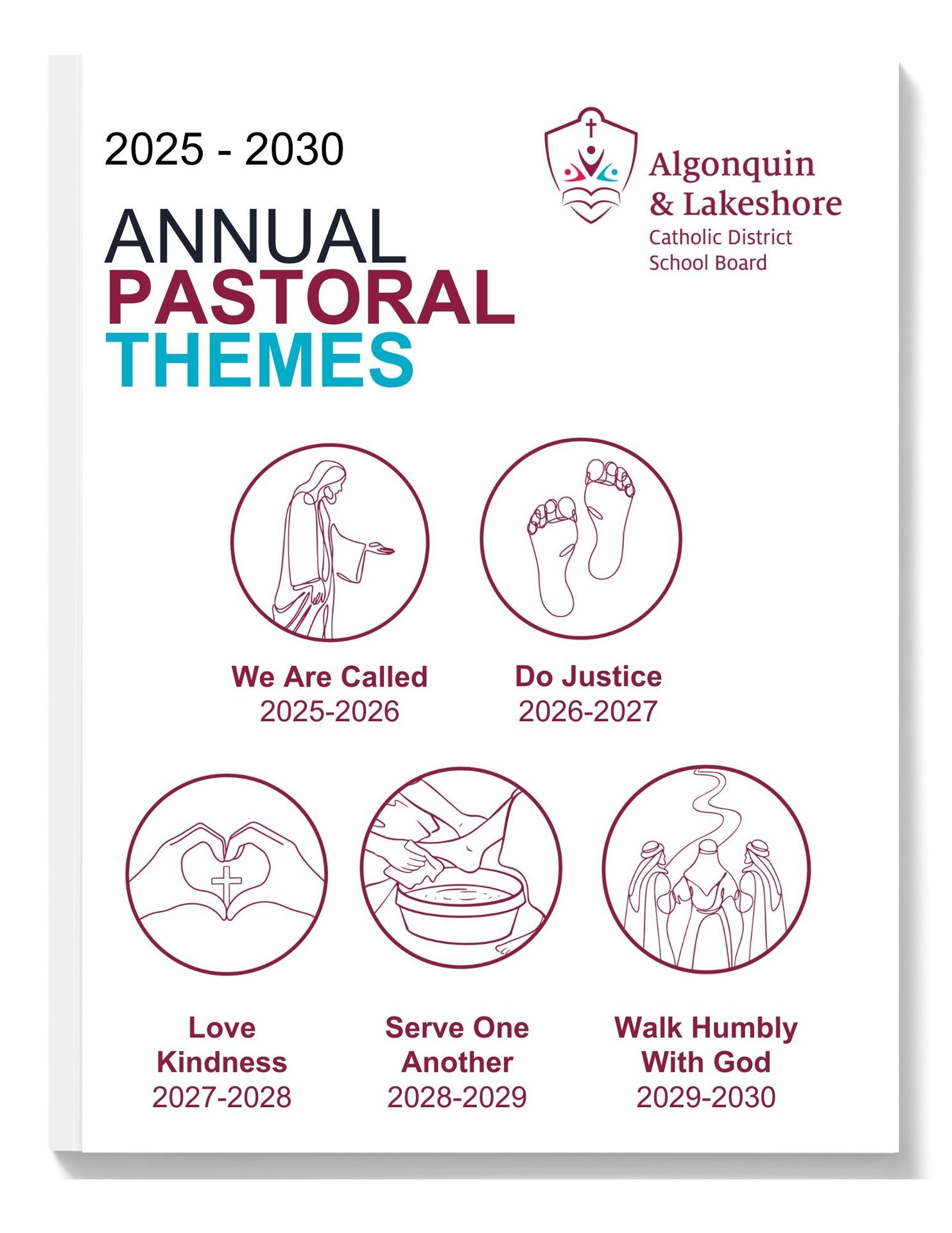
The "Do Justice" logo is represented by the image of the The Two Feet of God's Love. Catholic disciples on mission are called to put Two Feet of God's Love into Action. This image illustrates the two distinct, but complementary, ways we can put the Gospel in action in response to God's love: justice (addressing systemic, root causes of problems that affect many people) and charity (short-term, emergency assistance for individuals). The image of the feet also reminds us that this is a lifelong journey where we will need to continue to take steps forward each and every day. This journey is long and difficult, but it is not without celebration or hope. We must always remember that we do not walk alone on the journey and lean on God and our community of faith to lift us up when we are tired and frustrated.
Then the righteous will answer him and say, 'Lord, when did we see you hungry and feed you, or thirsty and give you drink? When did we see you a stranger and welcome you, or naked and clothe you? When did we see you ill or in prison, and visit you?' And the King will say to them in reply, 'Truly I tell you, just as you did it to one of the least of these who are members of my family, you did it to me.’ - Matthew 25:37-40
The Scripture passage that supports the theme comes from the Gospel of Matthew.
The theme "Do Justice" calls us to remember that above all else we are called to love God, and to love our Neighbour. Our neighbours are not simply those that live near us or think or talk or look like us. Our neighbours extend to all of humanity. God loves each of us unconditionally and without exception. We have been carefully created in the image and likeness of God. By loving our Neighbour through the actions of charity and justice, we honour God and live out the call to discipleship that we are given through our Baptism. Just as Christ modelled special concern and love for those in need, we are called to "Do Justice."
Theme Song:
Each theme song is provided for use at school Masses, liturgies, assemblies, and for use at system events. Music will be provided to the music leads at each site.
Music: Let Justice Roll
Artists: Cassandra Johnson, Elizabeth Hunter, Tamara Monk, Wilson Blunt
CCLI Song # 7125365Cassandra Johnson I Elizabeth Hunter I Tamara Monk I Wilson Blunt© 2016 Every Nation Songcasting. For use solely with the SongSelect® Terms of Use. All rights reserved. www.ccli.com
CCLI License# 11515112
Liturgical Function: Processional, Preparation of the Gifts, Recessional
Song Story: Let Justice Roll
Related Music:
The Do Justice playlist can be found on the Algonquin and Lakeshore CDSB's YouTube channel by visiting https://youtu.be/3LaY63Q5AEM?si=D5L1m-82nOYRk7_K.
The vision of the Algonquin and Lakeshore Catholic District School Board is that we imagine a world where every person is empowered to reach their full potential through faith and service. Our mission is the Algonquin and Lakeshore Catholic District School Board builds faith-filled learning communities where each member is loved, inspired, and successful. The annual ALCDSB pastoral themes call us to express our faith through our vision and mission statements.
Catholic education is nurtured by the home-school-parish relationship. The annual pastoral themes will support the ALCDSB’s Multi-Year Strategic Plan and will continue to nurture the members of home, school, and parish. Each annual theme is enriched with connections to Scripture, song, prayer, and imagery. Educators are also invited to make authentic connections to Catholic Social Teaching, the Ontario Catholic School Graduate Expectations, and the Renewing The Promise pastoral letter.